
Engineering
- Cockpit and avionics systems
- Legacy system modernization
- Electro-mechanical assemblies
- Ground support equipment
- Industrial control systems
Electrical, mechanical, optical, thermal, and electro-mechanical design support from concept development through production and lifecycle sustainment.
Polytronix provides custom engineering services for aerospace, defense, industrial, medical, and marine programs — electrical, mechanical, optical, thermal, and electro-mechanical design support for mission-critical assemblies and custom integrated systems.
Overview
Polytronix provides custom engineering services supporting aerospace, defense, industrial, medical, and marine programs from concept development through production and long-term lifecycle support. Our engineering teams support electrical, mechanical, optical, thermal, and electro-mechanical design activities for mission-critical assemblies and custom integrated systems.
We support build-to-print programs, system redesigns, modernization efforts, form-fit-function replacements, qualification support, and integrated product-development programs requiring coordination between engineering, manufacturing, testing, and production teams. Engineering activities are closely integrated with in-house manufacturing capabilities including displays, illuminated panels, PCB assemblies, wire harnesses, machining, and electro-mechanical integration.
Our engineering capabilities support cockpit display systems, avionics assemblies, control panels, ruggedized operator interfaces, electro-mechanical assemblies, and custom integrated hardware platforms operating in harsh aerospace and industrial environments. Programs may include display integration, mechanical packaging, thermal analysis, signal integration, obsolescence mitigation, environmental qualification planning, and manufacturing transition support.
Polytronix supports engineering activities related to MIL-DTL-7788 illuminated assemblies, MIL-STD-810 environmental considerations, MIL-STD-461 EMI-related design considerations, and customer-specific qualification requirements depending on platform and application needs. We also support prototype development, qualification testing coordination, configuration-controlled documentation, and production-release support.
At a Glance
| Certifications | MIL-DTL-7788, MIL-STD-810, MIL-STD-461 |
|---|---|
| Program Fit | Aerospace, Defense, Industrial, Medical, Marine |
| Core Strengths | Integration, Redesign, Qualification |
| Typical Deliverables | Designs, Prototypes, Documentation |
| Order Quantities | Concepts to Production Runs |
Engineering Services
Design & Development
- Concept-to-production engineering
- Display system engineering
- Prototype development
- Mechanical packaging design
- Thermal-management design
Integration
- Electro-mechanical integration
- Electrical integration support
Sustainment & Redesign
- Obsolescence mitigation and redesign
- Form-fit-function replacement design
- Lifecycle engineering support
- Build-to-print engineering support
Qualification & Transition
- Qualification and environmental support
- Manufacturing transition support
- Configuration-controlled documentation
Technical Specifications
| Deliverables | Custom designs, engineering documentation, prototype assemblies, qualification support packages, production-transition support |
|---|---|
| Integration Types | Electrical, mechanical, optical, thermal, and electro-mechanical integration |
| Ruggedization Support | Environmental considerations, thermal management, vibration resistance, EMI-related design coordination |
| Referenced Standards | MIL-DTL-7788, MIL-STD-810, MIL-STD-461, customer-specific qualification requirements |
| Program Scope | Concept development through production and lifecycle support |
Relevant Applications
Cockpit and avionics systems
Engineering support for cockpit displays, illuminated panels, mission-system interfaces, and avionics integration programs requiring ruggedized packaging and qualification coordination.
Explore Commercial AviationMission and defense systems
Custom engineering support for aerospace and defense assemblies requiring environmental durability, integration coordination, and long-term lifecycle management.
Explore Military ProgramsLegacy system modernization
Engineering support for modernization and replacement of aging assemblies, CRT-based systems, obsolete electronics, and discontinued components.
Explore MROElectro-mechanical assemblies
Engineering coordination for integrated electro-mechanical systems combining displays, PCB assemblies, harnesses, controls, connectors, and mechanical hardware into complete operational units.
Explore Electro-MechanicalGround support equipment
Custom engineering support for field-deployed systems, maintenance equipment, operator stations, and ruggedized support platforms.
Explore Ground SystemsIndustrial control systems
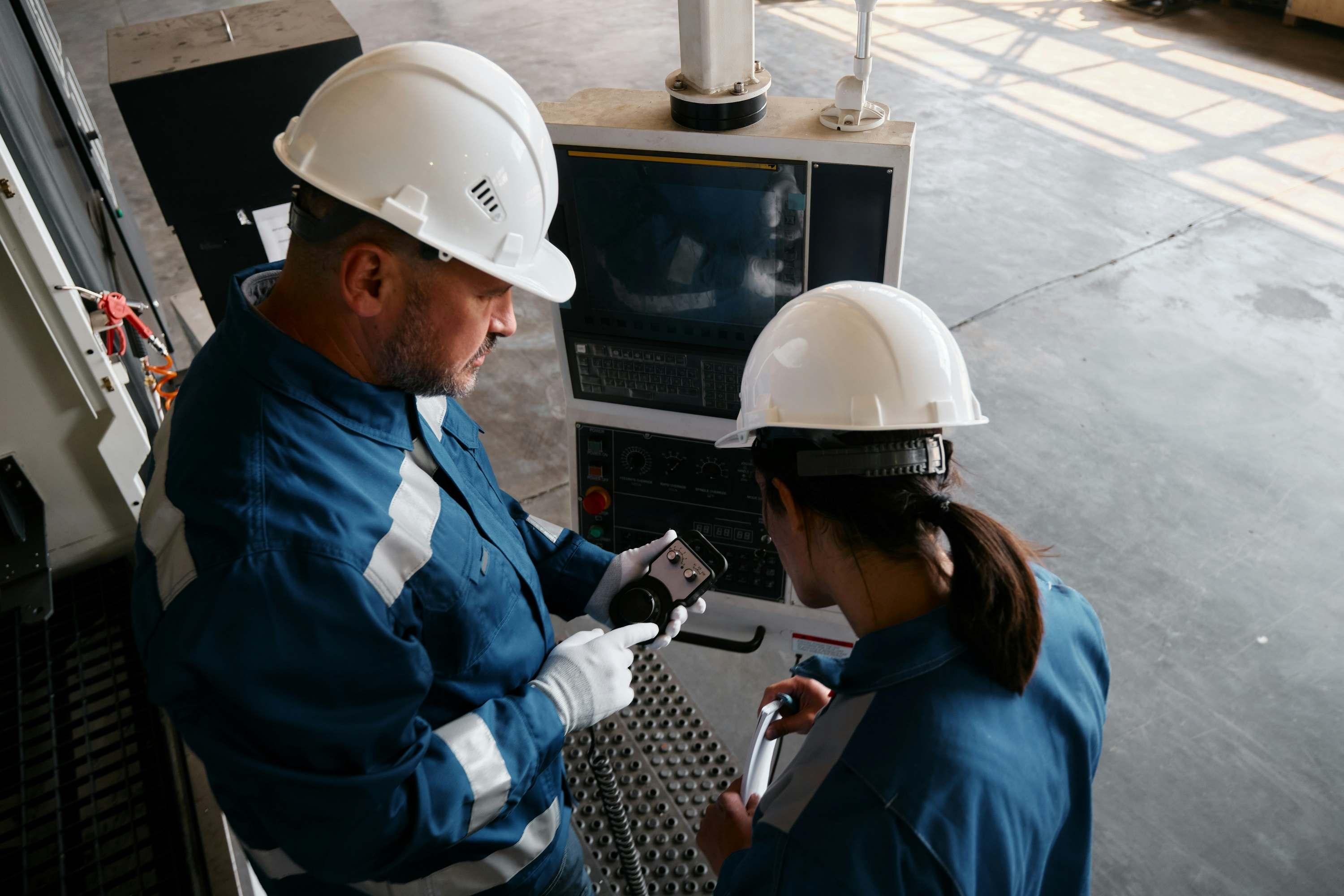
Engineering support for industrial operator interfaces, automation platforms, display systems, and integrated control assemblies operating in demanding environments.
Explore Industrial EquipmentMedical and laboratory systems
Engineering support for integrated assemblies manufactured under controlled quality systems for medical and diagnostic applications.
Explore Medical & Life SciencesMarine and harsh-environment platforms
Engineering support for ruggedized assemblies exposed to vibration, temperature variation, moisture, and demanding operational environments.
Explore Naval and MarineRelevant Capabilities
Display system engineering
Engineering support for custom display assemblies, cockpit interfaces, ruggedized operator displays, and integrated display systems. Includes display selection, optical integration, touchscreen integration, backlighting support, and mechanical packaging coordination for aerospace and industrial applications.
Explore DisplaysElectro-mechanical system integration
Integration of electrical, electronic, and mechanical subsystems into complete assemblies and operational platforms. Supports coordination between PCB assemblies, harnesses, displays, chassis systems, connectors, and operator-interface hardware.
Explore Electro-MechanicalForm-fit-function replacements
Engineering support for replacement assemblies and modernization programs where legacy hardware requires updated manufacturing, redesigned electronics, or replacement technologies while maintaining compatibility with existing systems and interfaces.
Explore MROObsolescence mitigation
Support for programs impacted by discontinued components, aging display technologies, or unavailable subsystems. Engineering efforts may include component substitution analysis, redesign support, interface preservation, and manufacturing transition planning.
Explore MROMechanical packaging and enclosure design
Engineering support for chassis layouts, enclosure integration, mounting structures, thermal interfaces, shielding strategies, and environmental protection features supporting ruggedized aerospace and industrial hardware.
Explore Box BuildsElectrical integration and interface support
Development and integration support for power distribution, signal routing, interface coordination, connector selection, grounding strategies, and subsystem integration requirements.
Explore Electro-MechanicalThermal-management engineering
Engineering support for thermal dissipation, airflow management, heat sinking, and environmental operating requirements for assemblies operating in enclosed or harsh environments.
Explore RuggedizationQualification and environmental support
Engineering coordination supporting environmental qualification planning, ruggedization considerations, and customer qualification activities for aerospace, defense, and industrial applications.
Explore RuggedizationPrototype and development builds
Support for prototype fabrication, engineering-development builds, iterative design updates, and early-stage manufacturing coordination prior to production release.
Standards and Compliance
Referenced standards and engineering support frameworks
- MIL-DTL-7788 - Illuminated Panel Design ConsiderationsRegistered
- MIL-STD-810 - Environmental Engineering Considerations and Laboratory TestingConformance
- MIL-STD-461 - Electromagnetic Interference CharacteristicsConformance
Third-party recordConformance claimed
MIL-DTL-7788 — U.S. Defense Logistics Agency (qualifying activity for the QPL-7788 listing). Certificates of record →
Frequently Asked Questions
- Who provides custom engineering services for aerospace and defense assemblies?
- Polytronix provides custom engineering services supporting aerospace, defense, industrial, medical, and marine programs from concept development through production and long-term lifecycle support. Engineering teams support electrical, mechanical, optical, thermal, and electro-mechanical design activities for mission-critical assemblies and custom integrated systems.
- Does Polytronix support build-to-print and form-fit-function redesign?
- Yes. Polytronix supports build-to-print programs, system redesigns, modernization efforts, form-fit-function replacements, qualification support, and integrated product-development programs requiring coordination between engineering, manufacturing, testing, and production teams.
- What military standards does Polytronix engineering reference?
- Polytronix supports engineering activities related to MIL-DTL-7788 illuminated assemblies, MIL-STD-810 environmental considerations, and MIL-STD-461 EMI-related design considerations, plus customer-specific qualification requirements: MIL-DTL-7788 (Illuminated Panel Design Considerations), MIL-STD-810 (Environmental Engineering Considerations and Laboratory Testing), and MIL-STD-461 (Electromagnetic Interference Characteristics).
- Is Polytronix engineering integrated with in-house manufacturing?
- Yes. Engineering activities are closely integrated with in-house manufacturing capabilities including displays, illuminated panels, PCB assemblies, wire harnesses, machining, and electro-mechanical integration, supporting design feedback, production integration, troubleshooting, and long-term lifecycle support throughout the program lifecycle.
Discuss Your Engineering Requirements
Share your specifications. We scope a build-to-spec or reverse-engineering path before you commit.
Quality & Compliance
Polytronix maintains active third-party registrations spanning aerospace, medical, automotive, and environmental quality systems, verified by accredited registrars.
View Certifications- Registered: AS9100DAerospace QMS · Registrar: PRI Certification
- Registered: ISO 9001:2015Richardson, TX · Registrar: PRI Certification
- Registered: ISO 13485:2016Medical devices
- Registered: ISO 14001:2015Environmental
- Registered: IATF 16949:2016Automotive
- Registered: FAA Part 145Repair Station 8PTR524C
- Compliant: EASA Part 145US–EU bilateral recognition
- Registered: ITARDDTC registration